- English
- French
- German
- Portuguese
- Spanish
- Russian
- Japanese
- Korean
- Arabic
- Greek
- German
- Turkish
- Italian
- Danish
- Romanian
- Indonesian
- Czech
- Afrikaans
- Swedish
- Polish
- Basque
- Catalan
- Esperanto
- Hindi
- Lao
- Albanian
- Amharic
- Armenian
- Azerbaijani
- Belarusian
- Bengali
- Bosnian
- Bulgarian
- Cebuano
- Chichewa
- Corsican
- Croatian
- Dutch
- Estonian
- Filipino
- Finnish
- Frisian
- Galician
- Georgian
- Gujarati
- Haitian
- Hausa
- Hawaiian
- Hebrew
- Hmong
- Hungarian
- Icelandic
- Igbo
- Javanese
- Kannada
- Kazakh
- Khmer
- Kurdish
- Kyrgyz
- Latin
- Latvian
- Lithuanian
- Luxembou..
- Macedonian
- Malagasy
- Malay
- Malayalam
- Maltese
- Maori
- Marathi
- Mongolian
- Burmese
- Nepali
- Norwegian
- Pashto
- Persian
- Punjabi
- Serbian
- Sesotho
- Sinhala
- Slovak
- Slovenian
- Somali
- Samoan
- Scots Gaelic
- Shona
- Sindhi
- Sundanese
- Swahili
- Tajik
- Tamil
- Telugu
- Thai
- Ukrainian
- Urdu
- Uzbek
- Vietnamese
- Welsh
- Xhosa
- Yiddish
- Yoruba
- Zulu
Top HDTMPA Uses for Industrial Scale and Corrosion Control
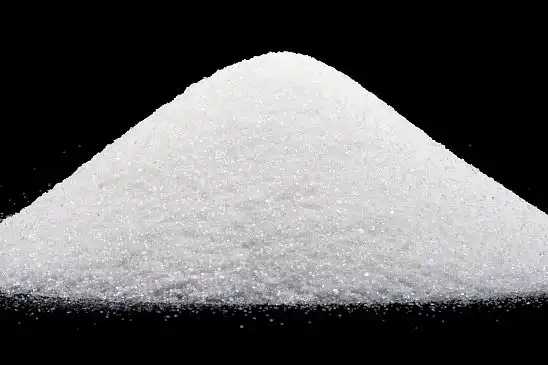
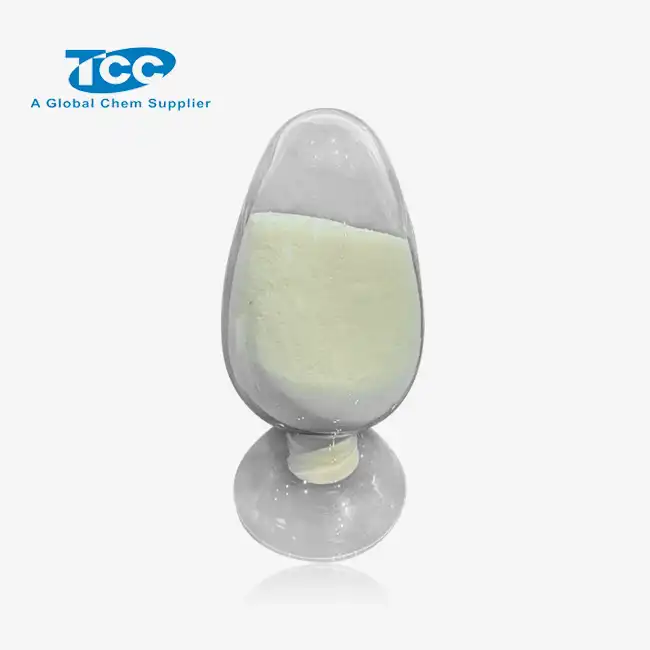
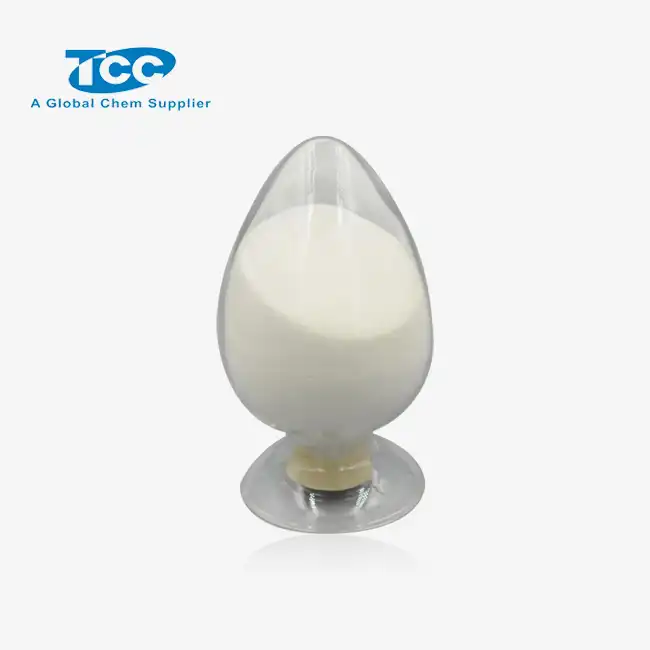
HDTMPA (Hexamethylene Diamine Tetra Methylene Phosphonic Acid, CAS No. 23605-74-5) stands as a premier phosphonate-based water treatment additive widely recognized across industrial sectors for its exceptional scale inhibition and corrosion control capabilities. This white crystalline powder with molecular formula C10H28N2O12P4 effectively prevents calcium carbonate, calcium sulfate, barium sulfate, and iron oxide scale formation in water systems. Among organic phosphonates, HDTMPA demonstrates the highest performance for calcium sulfate scale inhibition, particularly excelling in high-temperature, high-hardness environments found in oilfield operations, cooling towers, and boiler systems. Its unique chelating structure provides long-lasting protection, making it indispensable for oil and gas companies, water treatment facilities, and industrial manufacturers seeking reliable, cost-effective solutions.

Top Industrial Applications of HDTMPA in Scale and Corrosion Control
Oilfield Water Treatment and Squeeze Applications
In both upstream and downstream oil and gas activities, HDTMPA is a key chemical for controlling water injection systems and treatments that happen deep underground. Barium sulfate and strontium sulfate scales are very bad for the wellbore's integrity and the formation's ability to let fluids through. Because this phosphonate reacts so well with alkaline earth metals, it is perfect for squeeze treatments, in which strong solutions are pumped into rock formations to protect them for weeks or months. When HDTMPA-based programs are used instead of traditional inhibitors, production drops linked to scale are a lot smaller, according to data from unusual plays.
Cooling Tower and Boiler System Protection
HDTMPA's ability to do two things at once is very helpful for industrial circulating cooling water systems. The additive stops calcium carbonate and calcium sulfate scale from building and covers the surfaces of carbon steel and copper metal heat exchangers to protect them. Unlike older polyphosphate treatments that can cause fouling in some situations, phosphonate chemistry stays stable at high concentration cycles. This means that there is less need for blowdown and more water is saved.
Reverse Osmosis Membrane Systems
Effective antiscalant formulations are very important for membrane filtration technologies because they stop fouling, which lowers the flow of permeate and shortens the life of the elements. A main part of many special RO antiscalant blends is HDTMPA. This is especially true for desalinating brackish water and seawater. It works better against gypsum (CaSO4·2H2O) precipitation, which saves expensive membrane elements that work at high recovery rates when saturation levels are higher than what is considered safe.
Comparing HDTMPA with Other Phosphonic Acids – Making the Right Choice
Performance Benchmarking Against ATMP and HEDP
Two different phosphonates, aminotris(methylenephosphonic acid) (ATMP) and hydroxyethylidene diphosphonic acid (HEDP), have different ways of working. While ATMP is a cheaper alternative that does a good job of blocking calcium carbonate, HDTMPA is much better at blocking calcium sulfate and barium sulfate, which are scales that are especially bad in the high-concentration environments that are common in oilfield operations. In lab tests, HDTMPA continues to work as an inhibitor even when calcium levels rise above 500 ppm, which is when ATMP starts to lose its effectiveness.
Cost-Effectiveness and Total Ownership Analysis
HDTMPA usually costs more per kilogram than ATMP or HEDP, but when you look at the total cost of ownership, it's often better to use it in tough situations. Less of a drug is needed because it works better, so less of it is used. Longer protection periods in squeeze treatments cut down on the number of times that interventions are needed, which lowers costs and stops production. Better rust control that makes equipment last longer saves money in the long run, which is why higher prices are justified.
Application-Specific Dosage Guidelines
To use HDTMPA effectively, the right dose must be matched to the system's needs. Most cooling water uses are between 5 and 25 parts per million (ppm), with higher amounts used to condition the system for the first time. Concentrations used in oilfield squeeze treatments can range from 2,000 to 20,000 ppm, based on the type of rock and the length of time of protection that is needed. HDTMPA is added to RO antiscalant mixtures at a level of 5 to 15 percent active content. Feed rates are calculated using membrane manufacturer specs and saturation index estimates.

Maximizing ROI with HDTMPA – Optimizing Industrial Scale and Corrosion Control Programs
Strategic Integration into Existing Treatment Systems
Adding HDTMPA to existing water treatment programs means systematically analyzing current performance baselines and finding ways to make things better. By doing a full study of the water, you can find out what chemicals are causing scale and rust. Through jar testing and pilot evaluations, the best dosing methods and how well they work with current treatment chemicals are found. This keeps bad interactions from happening that could hurt the system's performance.
Performance Monitoring and Adjustment Protocols
Setting up strong monitoring programs makes sure that treatment works and finds new problems before they get worse and cost more to fix. Online instruments that measure conductivity, pH, oxidation-reduction potential (ORP), and corrosion rates give accurate information in real time that lets changes be made quickly. Dosing accuracy is checked by looking at system water samples on a regular basis for hardness, pH, phosphonate residuals, and metal concentrations. Trends that show changes need to be made are also found.
Long-Term Benefits and Sustainability Outcomes
Effectively using HDTMPA has big long-term benefits that go beyond instant operational gains. Increasing the life of equipment by reducing corrosion and scale damage delays the need to buy new capital, which improves asset utilization metrics. Gains in energy efficiency from clean heat transfer surfaces lower utility use, which lowers operating costs and reduces carbon footprints in line with companies' sustainability goals.
Conclusion
HDTMPA is a tried-and-true, flexible way to deal with corrosion control issues on an industrial scale. It has been used successfully in oil fields, water treatment plants, and manufacturing processes. It stops calcium sulfate and barium sulfate from sticking to it very well. It also protects against rust and stays stable at high temperatures, which has clear practical and financial benefits. To make sure the implementation goes well, you need to carefully choose your suppliers, paying special attention to quality certifications, expert help, and reliable supply lines. Industrial operators can get better system performance, longer equipment lifecycles, lower maintenance costs, and better environmental compliance by carefully combining HDTMPA with complementary treatments and thorough tracking procedures. The compound has a history of working well in tough situations, which is why it is an important part of current water management systems that want long-lasting, low-cost solutions.
FAQ
What are the safe handling protocols for HDTMPA in industrial environments?
When working with HDTMPA, you need to follow normal chemical safety procedures and wear protective gear like gloves, safety glasses, and clothes. Keep containers in cool, dry places away from things that don't go with them, like strong bases and oxidizers. The compound is not very dangerous in small amounts, but it can irritate the skin and eyes if it comes into contact with them.
How does HDTMPA compare environmentally to similar phosphonic acids?
HDTMPA is good for the environment because it breaks down naturally in aerobic conditions, which lowers the worries about endurance that come with some chemical treatments. Phosphonates are not as bioavailable in the environment as polyphosphates, which can add to eutrophication.
How do water characteristics influence HDTMPA dosing requirements?
The pH of the water has a big effect on how well phosphonates work. Generally, alkaline conditions (pH 7-9) make scale inhibition work better. As temperatures rise, the rate at which scale forms speeds up, so higher doses are needed to keep protection levels high.
Partner with Taicheng for Reliable HDTMPA Supply
If you need high-quality HDTMPA for treating industrial water, Xi'an Taicheng Chemical is ready to help. They have strong relationships with GMP-certified manufacturers and are ISO 9000 qualified. As a provider with a lot of experience in HDTMPA, we offer consistent product quality, reasonable prices that reflect our efficient supply chain, and quick technical support that is suited to your practical problems. Our professional team knows how to handle complicated oilfield water issues like cooling systems, membrane protection, and water chemistry. They can make formulas that are specific to your water and help you reach your performance goals. Send us an email at sales@tcc-ofc.com to get product samples, talk about bulk buying, or use our technical knowledge to help your program run smoothly. If you choose Taicheng, you'll be working with a reliable chemical raw material exporter that cares about your business's growth, following the rules, and lowering costs over the long run.
References
1. National Association of Corrosion Engineers. (2019). Corrosion Control in Industrial Water Systems: Chemical Treatment Methods and Best Practices. NACE International Publications, Houston, Texas.
2. American Water Works Association. (2020). Water Quality and Treatment: A Handbook on Drinking Water, Sixth Edition. McGraw-Hill Education, New York.
3. Society of Petroleum Engineers. (2018). Oilfield Scale Control: Mechanisms, Prediction, and Management Strategies. SPE Technical Publications, Richardson, Texas.
4. International Desalination Association. (2021). Membrane System Design and Optimization: Antiscalant Selection and Performance Evaluation. IDA Publishing, Topsfield, Massachusetts.
5. Cooling Technology Institute. (2020). Best Practices for Cooling Water Treatment: Chemical Programs and System Monitoring. CTI Technical Papers, Houston, Texas.
6. European Chemical Industry Council. (2022). Phosphonates in Industrial Applications: Performance, Safety, and Environmental Considerations. Cefic Research Publications, Brussels, Belgium.
Learn about our latest products and discounts through SMS or email