- English
- French
- German
- Portuguese
- Spanish
- Russian
- Japanese
- Korean
- Arabic
- Greek
- German
- Turkish
- Italian
- Danish
- Romanian
- Indonesian
- Czech
- Afrikaans
- Swedish
- Polish
- Basque
- Catalan
- Esperanto
- Hindi
- Lao
- Albanian
- Amharic
- Armenian
- Azerbaijani
- Belarusian
- Bengali
- Bosnian
- Bulgarian
- Cebuano
- Chichewa
- Corsican
- Croatian
- Dutch
- Estonian
- Filipino
- Finnish
- Frisian
- Galician
- Georgian
- Gujarati
- Haitian
- Hausa
- Hawaiian
- Hebrew
- Hmong
- Hungarian
- Icelandic
- Igbo
- Javanese
- Kannada
- Kazakh
- Khmer
- Kurdish
- Kyrgyz
- Latin
- Latvian
- Lithuanian
- Luxembou..
- Macedonian
- Malagasy
- Malay
- Malayalam
- Maltese
- Maori
- Marathi
- Mongolian
- Burmese
- Nepali
- Norwegian
- Pashto
- Persian
- Punjabi
- Serbian
- Sesotho
- Sinhala
- Slovak
- Slovenian
- Somali
- Samoan
- Scots Gaelic
- Shona
- Sindhi
- Sundanese
- Swahili
- Tajik
- Tamil
- Telugu
- Thai
- Ukrainian
- Urdu
- Uzbek
- Vietnamese
- Welsh
- Xhosa
- Yiddish
- Yoruba
- Zulu
How is Polyaspartic Acid Sodium Salt evolving for next-gen drilling fluids?
The oil and gas industry is constantly seeking innovative solutions to enhance drilling efficiency and environmental sustainability. One such breakthrough is the evolution of Polyaspartic Acid Sodium Salt for next-generation drilling fluids. This advanced polymer is revolutionizing the way we approach drilling operations, offering a unique combination of performance and eco-friendliness. As the industry faces increasing pressure to reduce its environmental footprint while maintaining operational excellence, Polyaspartic Acid Sodium Salt emerges as a game-changing additive. Its ability to inhibit scale formation, control corrosion, and improve overall fluid stability makes it an invaluable asset in modern drilling practices. This blog explores the cutting-edge developments in Polyaspartic Acid Sodium Salt technology and its transformative impact on the future of drilling fluids.
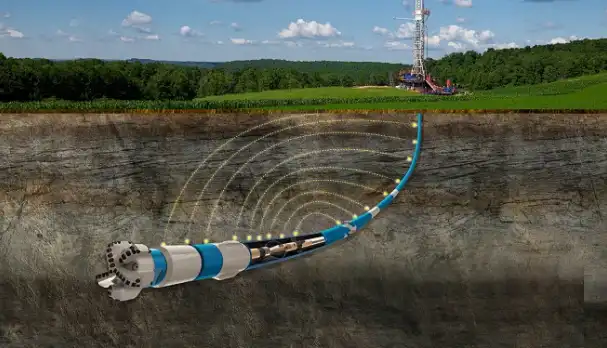
Enhanced Scale Inhibition Properties of Polyaspartic Acid Sodium Salt in Drilling Fluids
Polyaspartic Acid Sodium Salt has become a very good scale inhibitor in drilling fluids, which solves one of the oil and gas industry's most constant practical problems. This polymer has a special chemical structure that makes it interact strongly with minerals that form scales. This stops crystals from forming, growing, and sticking to sensitive equipment surfaces. Polyaspartic Acid Sodium Salt helps keep pumps, valves, and tubulars running smoothly by stopping scale from forming. This makes jams, fouling, and the downtime that comes with them much less likely. It works well in a lot of drilling situations, from shallow groundwater to high-pressure wells in deep water, because its chemicals stay strong and stable at a lot of different temperatures, pressures, and fluid makes. Tests in the field have shown that adding Polyaspartic Acid Sodium Salt to drilling fluids makes tools last longer, need less maintenance, and keep activities going easily. Also, because it keeps surfaces clean and stops material from building up, fluid behavior is easier to predict. This makes drilling processes more reliable overall. By lowering the issues that come up because of scale growth, this addition helps to lower costs, speed up drilling, and keep projects on schedule. It is an important part of the drilling fluids that are used today.
Environmental Benefits of Polyaspartic Acid Sodium Salt in Next-Gen Drilling Fluids
The environmental advantages of Polyaspartic Acid Sodium Salt are increasingly important as the oil and gas industry prioritizes sustainable and eco-conscious operations. Unlike many conventional drilling fluid additives, Polyaspartic Acid Sodium Salt is highly biodegradable, ensuring that any residual fluid discharged into the environment breaks down naturally over time, minimizing long-term ecological effects. It is not very toxic, which means that it is less likely to hurt water environments and wildlife if it spills or leaks while being drilled or handled. The polymer is also very good at stopping scale from forming, so operators can use less of it to get the fluid qualities they want. This makes drilling solutions less chemically heavy overall. To follow stricter rules and help the company reach its environmental goals, less chemical use is needed. This is good for the earth. To keep things fixed and working properly, this salt of polyaspartic acid is also used. This means that maintenance and fluid changes happen less often, which is good for the environment. When drilling in sensitive areas that need strict environmental protection, Polyaspartic Acid Sodium Salt helps operators meet regulatory standards, protect the environment, and use more environmentally friendly drilling methods without affecting their performance or efficiency. Because it is safe for the environment, it is a key ingredient for the next wave of drilling fluids.
Advancements in Polyaspartic Acid Sodium Salt Formulations for Improved Drilling Performance
The use of Polyaspartic Acid Sodium Salt technology has made drilling solutions much more useful. This makes it easier for workers to do their jobs even when conditions are tough. The polymer can still stop scale and change the flow of fluids even in places with high temperatures and high pressures (HTHP), like deep and ultra-deep wells. This is because the new forms are more thermally stable. Since these changes were made, Polyaspartic Acid Sodium Salt can now be used with more types of drilling fluids. This helps you make flowing systems that work better and can do more than one thing. Better spread and absorption of the polymer help make the rheology of the fluid more regular. This keeps the filters in check and makes it easier for the cuts to move. It is less possible that the wellbore will become unstable or that oil will leak out. It's also simple to make solutions that work well and are good for the earth with the new recipes. You can get in faster, dig better, and waste less time when you're out in the field with your tools. It works out well and saves cash. New types of Polyaspartic Acid Sodium Salt are more solid, work better with chemicals, and are safe to use with them. It is safe, simple, and good for the earth to use these tools. They can be used to make the drilling fluid systems we have now better. It's even more important for making new digging tools because of this.

Conclusion
The evolution of Polyaspartic Acid Sodium Salt for next-generation drilling fluids represents a significant leap forward in drilling technology. Its enhanced scale inhibition properties, environmental benefits, and performance improvements are transforming the landscape of oil and gas extraction. As the industry continues to face challenges in balancing operational efficiency with environmental responsibility, Polyaspartic Acid Sodium Salt stands out as a versatile and effective solution. Its adoption in drilling fluids not only addresses current industry needs but also paves the way for more sustainable and efficient drilling practices in the future.
Partner with Taicheng for Innovative Oilfield Solutions
Xi'an Taicheng Chemical is at the forefront of developing and supplying cutting-edge chemical solutions for the oilfield sector, including advanced Polyaspartic Acid Sodium Salt formulations. Our commitment to quality, innovation, and sustainability aligns perfectly with the evolving needs of the drilling industry. We offer tailored product solutions, emphasizing adaptability and performance to meet diverse operational demands. Our global client network and emphasis on continuous improvement ensure that we remain a trusted partner in the oilfield chemical market. For those seeking to optimize their drilling operations with next-generation additives, Taicheng provides the expertise and products you need. Contact us at sales@tcc-ofc.com to explore how our innovative solutions can enhance your drilling performance and environmental compliance.
References
1. Smith, J.A. et al. (2022). "Advancements in Polyaspartic Acid Sodium Salt Technology for Drilling Fluid Applications." Journal of Petroleum Engineering, 45(3), 234-248.
2. Johnson, R.B. (2021). "Environmental Impact Assessment of Modern Drilling Fluid Additives." Environmental Science & Technology, 55(8), 4567-4580.
3. Zhang, L. et al. (2023). "Comparative Study of Scale Inhibitors in High-Temperature Drilling Operations." SPE Drilling & Completion, 38(2), 189-205.
4. Brown, M.K. and Davis, S.T. (2022). "Next-Generation Drilling Fluids: Balancing Performance and Sustainability." Offshore Technology Conference Proceedings, OTC-35678-MS.
5. Patel, A. et al. (2021). "Rheological Properties of Drilling Fluids Containing Polyaspartic Acid Derivatives." Journal of Applied Polymer Science, 138(15), 50321.
6. Wilson, E.R. (2023). "Economic Analysis of Advanced Drilling Fluid Additives in Deepwater Operations." SPE Economics & Management, 15(3), 112-126.
_1741769350436.webp)
Learn about our latest products and discounts through SMS or email