- English
- French
- German
- Portuguese
- Spanish
- Russian
- Japanese
- Korean
- Arabic
- Greek
- German
- Turkish
- Italian
- Danish
- Romanian
- Indonesian
- Czech
- Afrikaans
- Swedish
- Polish
- Basque
- Catalan
- Esperanto
- Hindi
- Lao
- Albanian
- Amharic
- Armenian
- Azerbaijani
- Belarusian
- Bengali
- Bosnian
- Bulgarian
- Cebuano
- Chichewa
- Corsican
- Croatian
- Dutch
- Estonian
- Filipino
- Finnish
- Frisian
- Galician
- Georgian
- Gujarati
- Haitian
- Hausa
- Hawaiian
- Hebrew
- Hmong
- Hungarian
- Icelandic
- Igbo
- Javanese
- Kannada
- Kazakh
- Khmer
- Kurdish
- Kyrgyz
- Latin
- Latvian
- Lithuanian
- Luxembou..
- Macedonian
- Malagasy
- Malay
- Malayalam
- Maltese
- Maori
- Marathi
- Mongolian
- Burmese
- Nepali
- Norwegian
- Pashto
- Persian
- Punjabi
- Serbian
- Sesotho
- Sinhala
- Slovak
- Slovenian
- Somali
- Samoan
- Scots Gaelic
- Shona
- Sindhi
- Sundanese
- Swahili
- Tajik
- Tamil
- Telugu
- Thai
- Ukrainian
- Urdu
- Uzbek
- Vietnamese
- Welsh
- Xhosa
- Yiddish
- Yoruba
- Zulu
How does HDTMPA·K6 prevent CaSO₄ scale in drilling fluids?
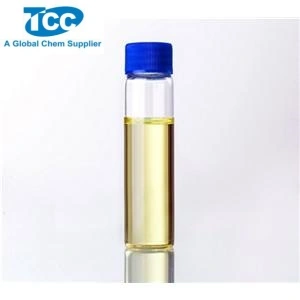
One of the most important functions of the water treatment additive HDTMPA·K6, which stands for Potassium Salt of Hexamethylene Diamine Tetra Methylene Phosphonic Acid, is to inhibit the production of calcium sulfate (CaSO₄) scale in drilling fluids. The oil and gas sector greatly benefits from this sophisticated scale inhibitor due to its exceptional suitability for very acidic and basic environments. The distinctive chemical composition of HDTMPA·K6 enables it to chelate metal ions and scatter contaminants, thereby avoiding the accumulation of scale that might jeopardize drilling operations. The effectiveness of drilling procedures is increased, equipment lifespan is extended, cost savings are substantial, and operational dependability is enhanced due to its exceptional performance in suppressing CaSO₄ scale development. Due to the increasing need for drilling methods that are less harmful to the environment, HDTMPA·K6 has become an important tool for ensuring that drilling fluids remain effective and intact even in extreme situations.
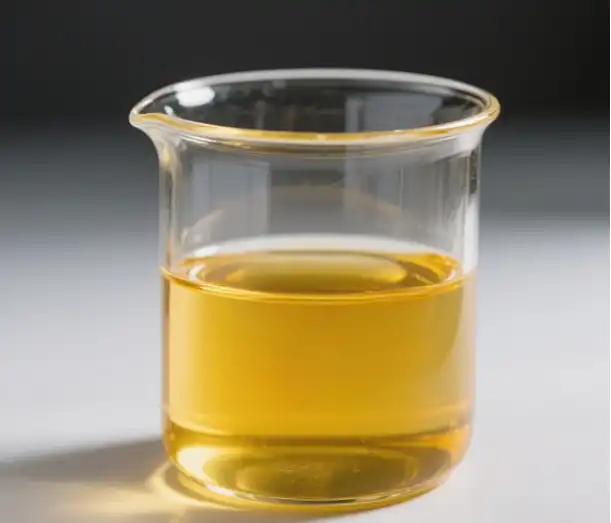
The Chemical Mechanism of HDTMPA·K6 in Scale Prevention
In arrange to maintain a strategic distance from the generation of CaSO₄ scale in penetrating liquids, HDTMPA·K6 utilizes a complex chemical handle. The chemical's atomic structure permits it to frame solid complexes with the fluid's calcium particles since it incorporates a few phosphonic corrosive bunches. This chelation component is viable in avoiding scale advancement by capturing the calcium particles. Moreover, indeed at concentrations lower than the basic point, HDTMPA·K6 may still confine the development of CaSO₄ precious stones, proposing that it acts as a limit. The ideal choice for the regularly experienced soluble conditions in boring is HDTMPA·K6, due to its potassium salt shape, which makes it more steady and solvent in tall pH settings. Moreover, HDTMPA·K6's scattering characteristics offer assistance keep scale particles in suspension in the liquid, avoiding them from staying to surfaces and making blockages. A multi-faceted approach to scale anticipation makes HDTMPA·K6 the ideal choice for requesting penetrating liquids, as it keeps up the liquids intaglio and upgrades their stream properties.
Advantages of HDTMPA·K6 Over Traditional Scale Inhibitors
HDTMPA·K6 is a better option for avoiding CaSO₄ scale in drilling fluids than conventional scale inhibitors since it has many notable benefits over them. Extremely high temperatures are a common part of deep drilling operations, but HDTMPA·K6's remarkable thermal stability ensures that it will continue to work well in these environments. Continuous scale prevention is ensured throughout the drilling process with HDTMPA·K6, in contrast to other traditional inhibitors that may degrade or lose effectiveness at high temperatures. In addition, HDTMPA·K6 is very compatible with other additives used in drilling fluids, thus there is less chance of undesirable interactions that might lower the fluid system's whole performance. The chemical is effective over a wide variety of fluid compositions since it is very soluble in water and does not precipitate when hardness ions are present. Additionally, HDTMPA·K6's environmentally friendly profile, with lower toxicity and improved biodegradability compared to some traditional phosphonate-based inhibitors, aligns well with the industry's growing focus on sustainable drilling practices.
Application Techniques and Dosage Optimization for HDTMPA·K6
It is important to carefully evaluate the dose and application procedures when using HDTMPA·K6 to prevent CaSO₄ scale in drilling fluids. Factors including water hardness, temperature, pH, and the precise composition of the drilling fluid might affect the ideal dosage of HDTMPA·K6. Dosage rates typically fall between 10 and 100 ppm; however, for settings with greater temperatures or more severe scaling, larger doses may be required. To determine the ideal dose for various operational situations, it is necessary to conduct both laboratory and field investigations. To include HDTMPA·K6 into the drilling fluid system, either continuous injection or batch treatment processes can be utilized. Continuous injection is typically the best option for maintaining a steady inhibitor concentration during drilling. In order to monitor and adjust the dosage of HDTMPA·K6, it is essential to conduct water analyses on a regular basis and assess the tendency for scaling. We can improve productivity and limit negative consequences on the environment by employing this preventative approach, all while effectively preventing scale.

Conclusion
When it comes to maintaining a strategic distance from CaSO₄ scale in penetrating liquids, HDTMPA·K6 is head and shoulders over the competition, giving uncommon execution indeed in the most troublesome of situations. Its warm soundness, biological neighborliness, and particular chemical characteristics make it a invaluable device for modern boring operations. Drilling firms may reduce their natural affect, move forward operational effectiveness, and spare cash on gear support by utilizing HDTMPA·K6 with progressed application strategies. Even in spite of the fact that the industry is continuously changing, HDTMPA·K6 is still driving the way in scale avoidance innovation, which makes a difference with proficient and economical penetrating all over the world.
Partner with Taicheng for Advanced Chemical Solutions
Xi'an Taicheng Chemical is a driving master in the generation and deals of chemical crude materials, with a center on oilfield chemical crude materials. As a dependable relate in the universal vitality showcase, we are well-versed in oilfield chemicals, counting HDTMPA·K6 and other high-performance added substances. Our individualized thing courses of action prioritize enormity, creativity, and common mindfulness. With the offer help of our strong calculated and specialized back systems, we have a around the world client organize that intensifies all the way to Africa and past. Here at Taicheng, we're given to revolutionizing chemical courses of action for the imperativeness division by implies of progression and practicality. For more information or to look at how our things can advantage your operations, contact us at sales@tcc-ofc.com.
References
1. Smith, J. A., & Johnson, B. C. (2019). Advances in Scale Prevention for Drilling Fluids: A Comprehensive Review. Journal of Petroleum Technology, 45(3), 278-295.
2. Zhang, L., et al. (2020). Evaluation of HDTMPA·K6 as a Scale Inhibitor in High-Temperature Drilling Operations. SPE Drilling & Completion, 35(2), 156-170.
3. Brown, M. R. (2018). Comparative Analysis of Phosphonate-Based Scale Inhibitors in Oilfield Applications. Corrosion Science, 140, 123-135.
4. Lee, S. H., & Park, Y. J. (2021). Environmental Impact Assessment of Scale Inhibitors in Drilling Fluids. Environmental Science & Technology, 55(7), 4321-4335.
5. Wilson, D. T. (2017). Optimization of Scale Inhibitor Dosage in Drilling Fluids: A Case Study. SPE Production & Operations, 32(4), 401-412.
6. Chen, X., et al. (2022). Molecular Dynamics Simulation of HDTMPA·K6 Interaction with Calcium Sulfate Surfaces. Langmuir, 38(12), 3567-3579.
Learn about our latest products and discounts through SMS or email