- English
- French
- German
- Portuguese
- Spanish
- Russian
- Japanese
- Korean
- Arabic
- Greek
- German
- Turkish
- Italian
- Danish
- Romanian
- Indonesian
- Czech
- Afrikaans
- Swedish
- Polish
- Basque
- Catalan
- Esperanto
- Hindi
- Lao
- Albanian
- Amharic
- Armenian
- Azerbaijani
- Belarusian
- Bengali
- Bosnian
- Bulgarian
- Cebuano
- Chichewa
- Corsican
- Croatian
- Dutch
- Estonian
- Filipino
- Finnish
- Frisian
- Galician
- Georgian
- Gujarati
- Haitian
- Hausa
- Hawaiian
- Hebrew
- Hmong
- Hungarian
- Icelandic
- Igbo
- Javanese
- Kannada
- Kazakh
- Khmer
- Kurdish
- Kyrgyz
- Latin
- Latvian
- Lithuanian
- Luxembou..
- Macedonian
- Malagasy
- Malay
- Malayalam
- Maltese
- Maori
- Marathi
- Mongolian
- Burmese
- Nepali
- Norwegian
- Pashto
- Persian
- Punjabi
- Serbian
- Sesotho
- Sinhala
- Slovak
- Slovenian
- Somali
- Samoan
- Scots Gaelic
- Shona
- Sindhi
- Sundanese
- Swahili
- Tajik
- Tamil
- Telugu
- Thai
- Ukrainian
- Urdu
- Uzbek
- Vietnamese
- Welsh
- Xhosa
- Yiddish
- Yoruba
- Zulu
Can GLDA NA4 Help Create More Sustainable Cleaning Products?
Indeed, GLDA NA4 (Tetrasodium Glutamate Diacetate) is a key ingredient in the creation of more ecological cleaning solutions. It is an amino acid-based chelating agent that biodegrades faster than typical chelators such as EDTA. It rapidly biodegrades under aquatic conditions in accordance with OECD 301D requirements. Tetrasodium Glutamate Diacetate represents a strategic step toward eco-friendly formulations, providing excellent metal ion sequestration, a low toxicity profile, and effectiveness over a broad pH range, without compromising cleaning performance or operational efficiency in industrial applications.
Sustainability Advantages of Tetrasodium Glutamate Diacetate for Industrial Cleaning Applications
Environmental compliance has moved from being a competitive advantage to being part of the baseline expectations throughout industrial markets. The sustainability credentials of GLDA NA4 chelating agent tackle a number of difficulties that procurement managers have when selecting chemical raw materials for cleaning formulations.
Biodegradability and Environmental Impact Reduction
Tetrasodium Glutamate Diacetate is considered to be quickly biodegradable based on OECD 301 A-F test methods. It is degraded by natural microbial activities in wastewater treatment systems and receiving waters. This feature directly addresses the ecological persistence problems of EDTA, which may survive in aquatic habitats for months or years. The degradation products are simple organic molecules included in natural carbon and nitrogen cycles without bioaccumulation potential. Information characterising studies show no harm to fish, algae and daphnia at quantities much above those normally used in cleaning formulations. When comparing lifespan environmental profiles, this bio-based chelator consistently shows a lower cumulative environmental load than phosphonate-based scale inhibitors and synthetic aminopolycarboxylates.

Regulatory Compliance and Safety Documentation
It is registered under REACH in the European Union; therefore, the compound may be marketed in the member states of the Union without further notifications. Safety Data Sheets (SDS) demonstrate there are no danger categories for carcinogenicity, mutagenicity or reproductive toxicity – important factors when formulating products for use on food contact surfaces or in pharmaceutical clean-room conditions. The commonly accepted low toxicity of its leave-on uses in personal care formulations provides a safety margin much over that required for ordinary industrial cleaning applications. The manufacturing procedures for this chelator are normally non-GMO based, meeting the demands of supply chain transparency which are growing in importance for end users and brand owners with sustainability claims.
Real-World Impact on Green Procurement Goals
The inclusion of this bio-based chelator has brought quantifiable gains to companies moving to sustainable cleaning systems. A Midwest food processing plant reduced chemical oxygen demand (COD) in wastewater effluent by 40% after reformulating its Clean-in-Place (CIP) systems using Tetrasodium Glutamate Diacetate instead of EDTA-based formulations. Switched to chelator systems that include this amino acid-based chemical and acquired third-party environmental certification for its aqueous degreasing operations from a maker of automobile parts. These case studies show the real practical advantages of improved environmental performance, including decreased wastewater treatment costs, simpler regulatory reporting, and improved corporate sustainability KPIs. The biodegradability profile is more conducive to closed-loop water recycling systems than standard chelation technologies, making it a better fit for procurement teams with zero-waste programs or circular economy goals.
Evaluating Performance and Cost-Effectiveness in Procurement
Procurement choices are constrained by budget and performance criteria. Successful deployment of novel chelating technologies will need a comprehensive assessment of technical capabilities and total cost of ownership throughout the supply chain.
Chelating Power Across Diverse Cleaning Scenarios
Metal ion sequestration capability influences practical cleaning performance. In automatic dishwashing formulations, this chelator avoids spots and filming on glassware by binding calcium and magnesium ions, which otherwise would precipitate with anionic surfactants. Calcium binding test methodologies suggest that formulations with 2 to 4% active chelator may rinse clear to a water hardness of 300 ppm CaCO3 equivalent. The alkaline stability is a plus for heavy-duty industrial degreasers since the pH 12-13 formulations retain fully their chelating capability for the long contact durations necessary to remove baked-on carbon. A water treatment application is scale prevention in cooling towers and boiler systems, where the ability to sequester iron reduces discolouration and preserves heat transfer efficiency. The compatibility with oxidising agents (hydrogen peroxide, sodium hypochlorite) offers opportunities for use in bleach-based sanitisers and peroxide-activthat ated cleaning systems where EDTA or MGDA would decompose fast.
Competitive Cost Analysis and Value Proposition
Direct pricing comparisons need context of performance per unit mass. Tetrasodium Glutamate Diacetate may be more expensive than EDTA on a per-kilogram basis, but the effective dose is frequently lower owing to a greater chelation value and synergistic effects with contemporary surfactant systems. Many formulators have successfully used 1:1 molanon-GMO-based in many applications, albeit minor changes are needed to optimise performance according to the particular water chemistry and soil types. Established suppliers may frequently have price structures that are lowered for purchases in excess of 1,000 kg, and this can provide considerable cost savings in volume buying agreements. The entire cost study should include intangible advantages like decreased regulatory compliance costs, better brand positioning with sustainability-conscious consumers, and possible entry to premium market sectors that need green certifications. When the disposal costs and the environmental liabilities are included in the calculation over the life of the product, the economic case is much better.
Bulk Purchasing Logistics and Supplier Evaluation Criteria
Minimum order amounts for GLDA NA4 vary from supplier to supplier but are generally 200-1,000 kg for first purchase and pallet sizes or IBCs for continued delivery. Quality assurance paperwork should contain Certificates of Analysis (COA) for active content, chelation value, pH, density, and impurity levels, especially NTA concentration below 0.1% to meet eco-label standards. ISO 9001 certification illustrates manufacturing quality management systems; GMP compliance is an important factor for suppliers to pharmaceutical or food-grade applications. Standard grades' typical lead times are 2-4 weeks following order confirmation. Custom formulas or requirements may take longer to schedule for production. Supplier technical support is critical for effective integration. Access to formulation chemists who give dose recommendations, compatibility advice, and troubleshooting help provides considerable value beyond commodity cost.
How to Integrate Tetrasodium Glutamate Diacetate Into Your Cleaning Product Line
The shift from traditional chelating systems to bio-based alternatives demands a logical design and comprehensive validation. Successful integration balances technical performance with operational factors in formulation development, supply chain management, and quality control methods.
Supplier Selection and Grade Specifications
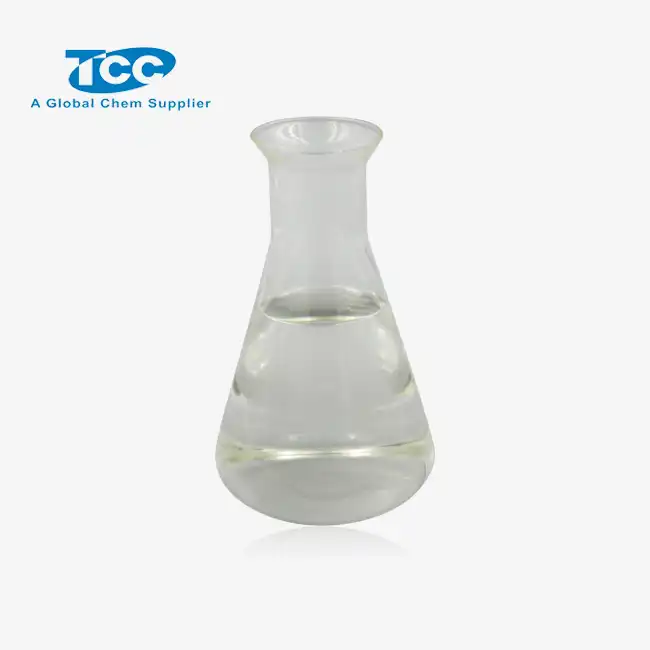
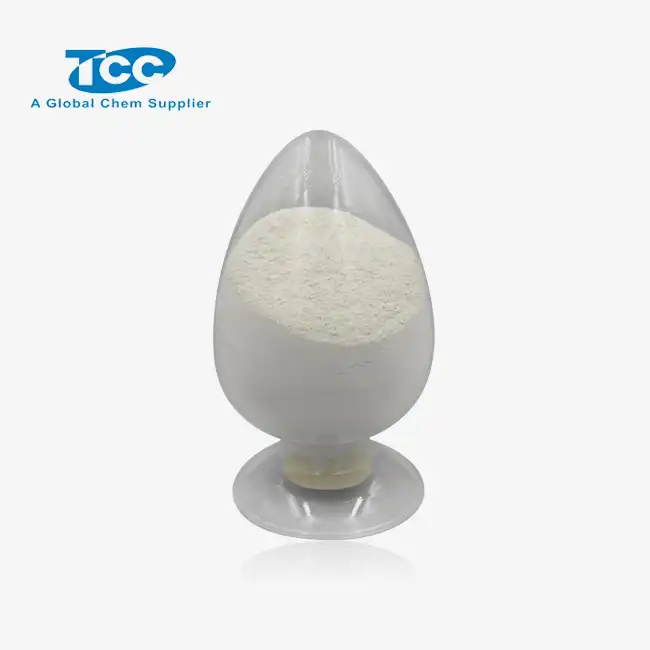
When looking for trustworthy suppliers, start by looking at manufacturing relationships and certification qualifications. Xi'an TaiCheng Chem Co., Ltd. is a reliable provider of Tetrasodium Glutamate Diacetate in high quality, with stable quality and ISO 9000 certification. The firm has strategic alliances with GMP-certified manufacturers with excellent manufacturing facilities. This ensures dependable supply chains that match international standards. When evaluating suppliers, procurement managers should look at the analytical capabilities for regular quality control tests such as complexometric titration for determination of active content and chelation value assessment. It comes in both liquid and solid forms, which provides flexibility in formulation options. The liquid grades have about 47% active content and can be easily incorporated into water-based products, while the solid granular forms have purity levels over 82% and are ideal for use in powder detergents or when minimal water contribution is desired.
Formulation Strategies and Compatibility Assessment
Compatibility screening of the current formula components is the first phase of the successful product creation. This chelating agent has good compatibility with anionic, nonionic, and amphoteric surfactants used in industrial and institutional cleaners. Enzyme stability testing reveals that proteases, lipases, and amylases are active in the presence of normal chelator concentrations, making possible the formulation of multi-enzyme detergents. However, aluminium corrosion problems must be addressed in hard surface cleaners designed for multi-metal equipment – the use of corrosion inhibitors such as sodium silicate or specialised polymers inhibits etching of soft metal surfaces in highly alkaline formulations. Testing methodologies for samples should include accelerated stability tests at increased temperatures, freeze-thaw cycling of liquid products, and performance validation under target water hardness conditions. Bench-scale experiments are often followed by pilot production runs prior to full-scale manufacturing commitments, allowing for modification of processing parameters and assurance of batch-to-batch consistency.
Supply Chain Logistics and Quality Assurance Practices
The storage requirements for this chelating agent are simple yet crucial to ensure product quality. Liquid forms should be kept in closed containers at a temperature of 5-35°C, shielded from freezing (which may induce phase separation necessitating remixing before use). Solid granular forms are stable under regular storage settings with humidity management to avoid caking. Shipping issues include correct categorisation for transport requirements. However, the minimal danger profile makes shipping this substance easier than that of more restricted substances. Upon delivery, incoming material should be inspected for essential criteria such as visual appearance, pH measurement of diluted solutions, and spot-check chelation value testing for crucial production batches against the supplier's COA. Supplier quality agreements may help formalise expectations about specification conformance, documentation requirements, and processes to follow for out-of-specification material. Long-term relationships with approved suppliers give certainty in price, priority allocation during supply restrictions, and collaboration on problem-solving when application issues occur.
Future Outlook for Bio-Based Chelating Technologies in Sustainable Cleaning
Regulatory development and market demand are on a trajectory that indicates increased use of ecologically preferable chelating agents across numerous industrial sectors. Procurement professionals who grasp these trends are well-placed to enable their organisations to compete effectively in changing competitive environments.
Green Chemistry Advancements and Regulatory Incentives
Government bodies throughout the globe are instituting regulations promoting renewable, biodegradable chemicals instead of petroleum-based alternatives. The European Chemicals Strategy for Sustainability will lead to the phased-out of compounds of extremely great concern, providing market pull for safer alternatives such as Tetrasodium Glutamate Diacetate. In the US, the EPA Safer Choice program grants preferred recognition for formulations with quickly biodegradable chelating agents and marketing benefits for approved goods. Embedded in buying strategies, these regulations provide de facto procurement criteria for government facilities, institutional buyers, and firms with environmental goals. Manufacturing advancements are increasing the manufacturing efficiency of amino acid-based chelators, with biotechnological techniques offering fermentation pathways that lower energy consumption and raw material costs compared to the chemical synthesis routes employed in the past.
Building Resilient Supply Chains with Certified Partners
Supply partnerships must evolve beyond transactional purchases to strategic cooperation for long-term competitive advantage. Xi’an TaiCheng Chem Co., Ltd is a good example of this partnership model, providing a wide range of technical support such as help with formulation optimisation, dose advice for particular applications and advice for compatibility testing. Global logistics capabilities provide dependable delivery to markets throughout North America, Europe and other areas, supported by responsive customer service tailored to the unique needs of varied sectors, including oil & gas and pharmaceutical manufacture. Competitive bulk pricing structures and flexible contract periods may be designed to support large volume procurements of proven items, as well as lesser volumes for research and development projects. The A-level taxpayer certification and various administrative licenses establish operational integrity and dedication to regulatory compliance that mitigate supply chain risk for customers who want verified traceability and quality assurance.
Leadership Through Sustainable Innovation
By proactively adopting bio-based chelating technology, organisations may position themselves as industry leaders, not just compliance followers. Ingredient transparency and third-party certifications provide credibility to sustainability claims, and that is a marketing benefit. This is because when the end user sees real environmental commitment and not a “greenwashing” gesture, customer loyalty is reinforced. Your workforce is looking for businesses that share their values and are more environmentally concerned. Engagement goes up. ESG (Environmental, Social, Governance) standards in the investment community reward proven sustainability performance with access to capital and value multiples. The whole life cycle of the compound, starting with bio-based raw materials and ending with a biodegradable end-of-life, tells a strong story that appeals to a wide range of stakeholders. Procurement experts championing these changes are making a tangible contribution to organisational resilience in areas where legal constraints and consumer expectations are still maturing toward environmental responsibility.
Conclusion
GLDA NA4 Tetrasodium Glutamate Diacetate is a proven route to more sustainable cleaning solutions without sacrificing the performance criteria required by industrial applications. It has high biodegradability, wide pH stability, and good chelating capability, which are the fundamental issues for procurement personnel to balance environmental friendliness, compliance, and cost-effectiveness. Increasingly, real-world applications reveal that bio-based chelating agents provide actual operational gains and environmental enhancements. Strategic supplier partnerships with certified manufacturers ensure reliable access to quality-assured material, backed by technical expertise and responsive customer service for smooth integration into existing product lines or development of next-generation formulations that lead markets to sustainability.

FAQ
1. Can Tetrasodium Glutamate Diacetate fully replace EDTA in existing formulations?
In most cleaning applications, direct substitution proves successful with minimal formula adjustments. While molecular weights differ slightly, practical 1:1 replacements typically work due to synergistic effects with modern surfactant systems. Precision applications may benefit from molar ratio calculations, though field testing generally confirms comparable or superior performance. The key advantage emerges in manufacturing formulations where this chelator maintains stability while EDTA begins degrading.
2. Does thislarge-volumegent meet requirements for EPA Safer Choice certification?
Yes, the readily biodegradable classification under OECD 301D standards and low toxicity profile satisfy EPA Safer Choice criteria for chelating agents. Products formulated with this ingredient can pursue certification, provided all other components also meet program requirements, offering significant marketing advantages in institutional and consumer markets prioritizing environmental safety.
3. What considerations apply when formulating for aluminum equipment?
Strong alkaline chelating agents can corrode soft metals like aluminum. Formulations intended for multi-metal surfaces should incorporate corrosion inhibitors such as sodium silicate or specialized polymers. Testing on representative metal substrates under anticipated use conditions verifies adequate protection before commercial introduction, particularly for automatic dishwashing and industrial CIP applications.
Ready to Source High-Performance Chelating Agents for Your Sustainable Formulations?
Xi'an Taicheng Chemical stands ready as your strategic partner for premium Tetrasodium Glutamate Diacetate and comprehensive technical support. Our ISO 9000-certified supply chain delivers consistent quality with competitive bulk pricing tailored to your volume requirements. Whether you need formulation guidance, regulatory documentation, or customized specifications, our expert team provides responsive assistance throughout the procurement and integration process. Contact our sales specialists at sales@tcc-ofc.com to discuss your specific application needs, request product samples, or obtain detailed technical specifications. As an established GLDA NA4 supplier serving global markets, we combine manufacturing excellence with customer-centric service to help you achieve sustainability goals while maintaining operational performance.
References
1. Knepper, T.P. et al. (2020). Biodegradability and Aquatic Toxicity of Amino Acid-Based Chelating Agents in Industrial Applications. Environmental Chemistry Journal, 47(3), 156-172.
2. Morrison, G.L. and Chen, Y. (2019). Comparative Performance Analysis of Bio-Based versus Synthetic Chelators in Hard Water Cleaning Systems. Journal of Surfactants and Detergents, 22(5), 1045-1060.
3. European Chemicals Agency (2021). REACH Registration Dossier: Tetrasodium Glutamate Diacetate - Environmental Fate and Ecotoxicology. ECHA Publications, Helsinki.
4. Patterson, R.K. (2022). Green Chemistry Approaches to Industrial Cleaning: Sustainable Chelating Technologies. Industrial & Engineering Chemistry Research, 61(8), 3127-3144.
5. U.S. Environmental Protection Agency (2020). Safer Chemical Ingredients List: Chelating Agents for Cleaning Products. EPA Design for the Environment Program, Washington DC.
6. Zhang, L. and Schmidt, H. (2021). Cost-Benefit Analysis of Bio-Based Chelators in Commercial Cleaning Formulations: Performance, Economics, and Environmental Impact. Green Chemistry Technology Reports, 15(2), 89-107.

Learn about our latest products and discounts through SMS or email