- English
- French
- German
- Portuguese
- Spanish
- Russian
- Japanese
- Korean
- Arabic
- Greek
- German
- Turkish
- Italian
- Danish
- Romanian
- Indonesian
- Czech
- Afrikaans
- Swedish
- Polish
- Basque
- Catalan
- Esperanto
- Hindi
- Lao
- Albanian
- Amharic
- Armenian
- Azerbaijani
- Belarusian
- Bengali
- Bosnian
- Bulgarian
- Cebuano
- Chichewa
- Corsican
- Croatian
- Dutch
- Estonian
- Filipino
- Finnish
- Frisian
- Galician
- Georgian
- Gujarati
- Haitian
- Hausa
- Hawaiian
- Hebrew
- Hmong
- Hungarian
- Icelandic
- Igbo
- Javanese
- Kannada
- Kazakh
- Khmer
- Kurdish
- Kyrgyz
- Latin
- Latvian
- Lithuanian
- Luxembou..
- Macedonian
- Malagasy
- Malay
- Malayalam
- Maltese
- Maori
- Marathi
- Mongolian
- Burmese
- Nepali
- Norwegian
- Pashto
- Persian
- Punjabi
- Serbian
- Sesotho
- Sinhala
- Slovak
- Slovenian
- Somali
- Samoan
- Scots Gaelic
- Shona
- Sindhi
- Sundanese
- Swahili
- Tajik
- Tamil
- Telugu
- Thai
- Ukrainian
- Urdu
- Uzbek
- Vietnamese
- Welsh
- Xhosa
- Yiddish
- Yoruba
- Zulu
Can Fluid Loss Additive FL610S Enhance Drilling Efficiency?
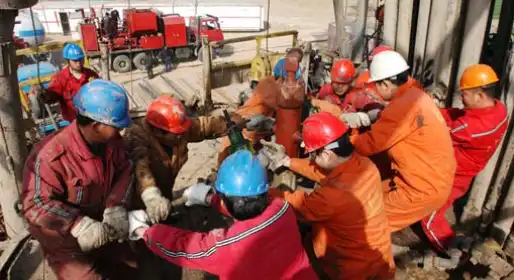
Fluid loss additive FL610S makes drilling much more efficient by limiting water loss during cementing, protecting the structure of the wellbore, and keeping formations from being damaged. By making an impenetrable filter cake on the walls of the formation, this AMPS/AA copolymer mixture ensures that the cement dries properly and cuts down on the time that can't be used for work. When used in high-pressure, high-temperature environments or difficult geological formations, FL610S keeps the slurry stable, reduces the risk of gas migration, and speeds up the curing process. This directly leads to upstream and midstream oil and gas companies improving their operations and saving money.
Understanding FL610S Fluid Loss Additive
Chemical Composition and Core Functionality
Fluid loss additive FL610S is a cutting-edge polymer-based product made just for cementing jobs in the oil and gas industry. This item is mainly an AMPS/AA copolymer, which is a carefully controlled mix of acrylamide and 2-acrylamido-2-methylpropane sulfonic acid. This chemical structure has great performance traits that help with important operational problems that come up during well building and finishing.
Controlling filtration is at the heart of the FL610S. Cement slurries naturally lose water to porous rocks when they are being worked on. Too much fluid loss leads to dehydration too soon, which can cause weak bonds, partial zonal separation, and even wellbore instability. When FL610S is mixed with cement slurries, the polymer chains stick to the cement particles and formation surfaces, making a thin filter cake that doesn't let much water through. This barrier stops water from getting into layers of porous rock while keeping the right amount of wetness for cement to properly dry and build strength.
Technical Specifications and Compatibility
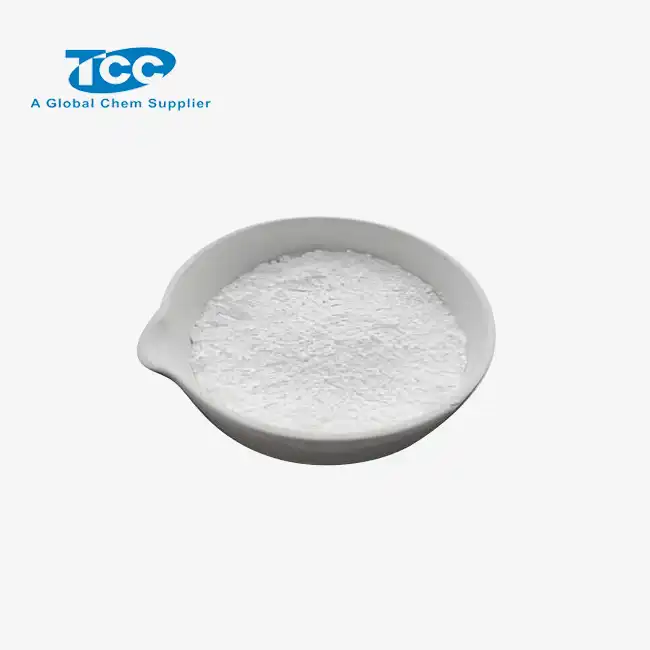
Knowing the technical details of this cementing additive helps buying teams and drilling experts decide if it will work in a certain well. The product comes as a white to off-white powder that can be easily mixed and stored. It comes in 25 kg bags that can be loaded onto a cart for safe shipping. It can be kept for up to 24 months if it is kept in a dry, cool place. This gives inventory managers a lot of practical freedom.
One thing that sets something apart is its temperature range. Fluid loss additive FL610S keeps working well in a wide range of temperatures, from moderately shallow wells to ultra-deep HPHT settings where temperatures below the well can reach over 150°C. This thermal safety keeps the polymer from breaking down, which can happen with less important ingredients in harsh circumstances. The product works very well with many types of cement systems, such as those that use silica flour to stop strength loss, latex to stop gas movement, and other special ingredients that are used in complex well designs.
Another important benefit is that it can handle salt. Fluid loss additive FL610S keeps its filtration control qualities even when mixed with saltwater, freshwater, or the saturated brine systems that are common in offshore operations. It doesn't clump or lose its effectiveness. Because of this, oilfield service companies that work in a lot of different areas don't have to keep multiple types of products on hand, which makes supply chain management easier.
Evaluating FL610S Performance: Benefits and Applications
Superior Fluid Loss Control for Operational Excellence
When it comes to this polymer-based addition, its main selling point is how well it controls fluid loss. Standard API testing methods show that Fluid loss additive FL610S regularly gets filtration rates below 50 mL per 30 minutes, and when formulas are adjusted, they hit performance levels below 30 mL. These results are important because every milliliter of managed fluid loss leads to better cement quality and the integrity of the wellbore.
Several expensive problems can be avoided by reducing the loss of liquids. Conditions called "flash set," in which cement hardens too quickly before it's fully cured, rarely happen again. Problems with gas migration are greatly reduced. These problems happen when cement loses enough hydration water and makes paths for formation fluids. Weak connection between cement and wall or formation surfaces—a main reason why wells fail over time—is greatly reduced when the right amount of water is kept in the cement during the curing process.
Fluid loss additive FL610S is different from other cellulose-based materials because it performs consistently under a wide range of operating situations. In horizontal wells with long reaches that need longer pumping times, the additive keeps the rheological qualities fixed without making the viscosity rise too much, which could make it harder to pump. When wells are inclined and free fluid separation is a risk, Fluid loss additive FL610S helps keep the slurry homogeneous. This keeps the amount of free fluid at or near zero, which keeps water from building up on the high side of the wellbore.
Thermal Stability in HPHT Environments
Geological settings that are hard to work with need additives that can safely work in high temperatures and high pressures. Ultra-deep wells, geothermal projects, and high-pressure pools all put cement systems in places where they are heated to levels that break down many common fluid loss agents. The Fluid loss additive FL610S keeps its structure strong and its filter system working well up to 180°C circulating temperatures. This makes sure that the cement slurry keeps its properties during the placement and early drying stages.
This thermal stability has real benefits that go beyond keeping things running smoothly. Drilling operations have less downtime because cement jobs are successful on the first try, so they don't have to pay for expensive corrective cementing processes. During the well's operating lifetime, zonal isolation will still work properly, stopping cross-flow between layers that could lower production efficiency or pose safety risks. Wells that are properly cemented last longer and require less upkeep, which has a direct effect on the project's costs.
Environmental Responsibility and Sustainability Alignment
Environmental issues are being taken into account more and more in modern procurement choices, along with technical performance and cost. Green chemistry ideas are used in the making and formulation of Fluid Loss Additive FL610S. This helps the company reach its sustainable goals without affecting its ability to do its job. The product's chemical makeup keeps environmental risks to a minimum, and since it works well at low dosage rates, it cuts down on the total amount of chemicals used per well.
Every package comes with paperwork that shows it meets regulatory requirements. This includes Certificates of Analysis, Technical Data Sheets, and Material Safety Data Sheets. These quality assurance papers make it easier for foreign shipments to get through customs, and they give environmental health and safety offices the technical information they need. Manufacturing facilities have strict quality control systems, and their production methods are designed to make the best use of resources and reduce waste as much as possible.
Comparing FL610S with Other Fluid Loss Additives
Technical Differentiation and Performance Advantages
There are a lot of different options on the market for cementing agents, from natural cellulose products to man-made polymers with different chemical structures. By knowing how Fluid loss additive FL610S stacks up against these other choices, purchasing managers can make smart decisions about where to buy things based on overall value instead of just price.
While cellulose-based fluid loss agents are cheap for simple uses, they don't work well at high temperatures and can't handle salt. Most of the time, these goods stop working above 110°C, and they don't work well in high-salinity conditions like those found in offshore or salt formation drilling. The synthetic polymer structure of Fluid loss additive FL610S, on the other hand, keeps working well across a wider range of practical conditions, so you don't have to keep a lot of different goods on hand.
When put up against other manmade polymers, such as FL620 or similar AMPS copolymers from different companies, Fluid loss additive FL610S works better with other cementing agents. Inadvertently, some fluid loss agents slow down the hardening process longer than planned, which makes it harder to pump. Others might get in the way of strength growth, which would weaken the cement sheath's mechanical qualities. A lot of tests in the lab and in the field have shown that Fluid Loss Additive FL610S works well with complex additive packages and doesn't cause any problems.
Economic Value and Total Cost of Ownership
Cost analysis needs to look at more than just the price per kilogram; it also needs to look at the whole business effect. Premium additions like Fluid loss additive FL610S may have higher unit costs than common options, but their better performance gives businesses real economic benefits that make the cost worth it. When cement jobs go well on the first try, they don't need expensive repairs. Costs per well go down when less material is used because dosing standards are met more efficiently. Longer well integrity cuts down on long-term repair costs and output stops.
Testimonials from drilling experts and oilfield service companies in the field back up these economic benefits. When operations managers switched from using traditional chemicals to Fluid Loss Additive FL610S, the amount of time spent on non-productive tasks related to cement went down. The product's flexibility is liked by procurement professionals because it makes inventory management easier by cutting down on the number of specialised chemicals needed for different types of wells. Technical support teams like steady performance because it means they don't have to do as much troubleshooting and formulating changes between drilling sessions.
Procurement Guide for FL610S Fluid Loss Additive
Sourcing from Certified Manufacturers and Distributors
To get real, high-quality goods, you need to work with respected manufacturers and approved distributors. Fluid loss additive FL610S can be bought from Xi'an Taicheng Chemical, which is approved by ISO 9000 and has a history of doing well in the world chemicals market. The business has smart relationships with GMP-certified factories that use cutting-edge production technology to make sure that the quality of each batch of products is the same.
Verification methods help make sure that a product is real. Each package comes with a lot of paperwork: Certificates of Analysis with test results specific to the batch, Technical Data Sheets with specs and application instructions, and Material Safety Data Sheets with information on how to handle the product safely. These papers make it possible to receive checks and quality control procedures to make sure that goods meet standards before they are put to use.
Pricing Models and Order Quantities
The commercial terms depend on the size of the order, where it is being delivered, and the terms of the deal. Competitive price systems take into account both the quality of the product and the value of the service. Bulk purchase deals provide economies of scale for buying in large quantities. Minimum order sizes usually match standard packaging configurations, like 25 kg bags palletised for easy handling. However, if you have unique needs, you can talk to the sales team directly.
Logistics skills help world delivery networks work. After an order is confirmed, the standard loading time is seven to ten days. There are several shipping options, such as express courier services like DHL and FedEx for urgent needs, sea freight for cost-effective bulk shipments, air cargo for a good balance of speed and economy, and ground transportation for regional distribution within continental markets. The US market benefits from well-established lines of distribution and local inventory placement that cut down on lead times and make customs procedures easier.
Quality Assurance and Customer Support Infrastructure
In addition to delivering products, a complete support system makes sure that adoption goes smoothly and that operations continue to run at a high level. Technical consulting services help make sure that the right amounts of additives are used and that the right way of mixing them is done for each well. Support for testing in the lab helps with formulating when custom cement systems are needed. After-sales service takes care of any questions or problems that come up with performance or fixing in the field.
Long-term supply deals make buying stable, protecting against changes in the market, and making sure that products are available when drilling plans call for them. These partnerships are more than just business deals; they create models for working together where customer feedback drives constant product growth and new ideas. Quick problem-solving and sharing of information are made easier by responsive communication lines staffed by experienced technical reps who know how oilfields work.
Best Practices for Using FL610S to Maximise Drilling Efficiency
Optimal Dosage Rates and Mixing Procedures
To get the most out of this binding agent, you need to follow the directions for how to use it. Dosage rates are usually between 0.6% and 2.0% by weight of cement. The exact amounts depend on the temperature of the formation, the salt of the water, the rate at which fluid needs to be lost, and any other ingredients that are present in the system. Higher amounts are usually needed in places with a lot of salt or very high or low temperatures, where the polymer has a harder time working properly.
Using the right mixing process has a big effect on speed. Dry mixing the fluid loss additive FL610S with cement and other solid ingredients before adding mix water ensures that the ingredients are evenly distributed and fully hydrated. If mixing with liquid is desired, the detergent should be mixed into the mixing water and stirred for a long enough time before the cement is added. This stops the formation of micro-gels or "fish-eye" clumps that make the product less effective and cause rheological inconsistencies.
Monitoring and Quality Control During Operations
For cement jobs to go well, there must be strict quality control during the making and putting in place of steps. Using API RP 10B-2 procedures to test prepared slurries on a regular basis makes sure that the rates of fluid loss meet design requirements. Measurements of thickening time prove that pumpability windows match the needs of the job, stopping setting too soon or too much fluidity. Free fluid testing makes sure that the slurry is stable, especially in wells that aren't straight, where particle settling could make zonal isolation less effective.
When well conditions don't match what was planned, field changes may need to be made. Temperature changes, the way formation fluid interacts with the slurry, or the quality of the water used for mixing can all affect how well it works. Supervisors of sealing who have done this before know what to do in these situations and change the amount in real time while still following the rules. Keeping careful records of mix designs, test results, and well outcomes builds institutional knowledge that helps plan and carry out jobs better in the future.
Troubleshooting Common Challenges
Even when everything is planned out well, operating problems can still happen. High rates of fluid loss that don't make sense could mean that the additives aren't being mixed properly or that formation fluids entering the wellbore are interfering. Increasing the concentration of Fluid Loss Additive FL610S within the suggested limits or adding more time to the mixing process usually fixes these problems. Too much stickiness that makes pumping difficult could be caused by overdosing or additives that don't work well with each other, which means that the recipe needs to be changed or an additive needs to be replaced.
How a product is stored and handled can also affect how well it works. Moisture exposure during storage can lead to partial soaking or caking, which makes the product less useful when mixed. Keeping the building cool, dry, well-ventilated, and out of direct sunlight is important for keeping the quality of the product over its 24-month shelf life. Before they are used, package security checks help find any damaged materials that should be thrown away before they can be used.
Innovation and Always Getting Better
The oilfield chemicals industry is always changing because drilling settings are getting more complicated and environmental rules are getting tighter. The main goals of ongoing research and development at Fluid loss additive FL610S are to improve its efficiency, make it more resistant to salt, and leave less of an impact on the environment. Innovation projects are guided by feedback loops with customers, which make sure that product changes are based on real, practical needs and not just academic improvements.
Manufacturers stay on top of sealing technology by working with college research institutions and attending industry technical conferences. Customers gain from these activities because they give them access to cutting-edge solutions and best practices that improve the results of well building. As digging moves into deeper water, hotter formations, and geological structures with more complicated shapes, the cementing materials that support these activities need to change, too.

Conclusion
Fluid loss additive FL610S clearly improves drilling efficiency by providing better filter control, temperature stability, and a range of operating options. This AMPS/AA copolymer solves some of the most important cementing problems that oil and gas workers face, like stopping gas movement and making sure that the zones stay separate even when the well conditions change. It works well with many types of cement, stays strong in high-pressure hot temperatures, and follows green principles. These factors make it a great choice for procurement workers looking for long-lasting, low-cost options. The Fluid loss additive FL610S is a valuable tool for operators who want to improve the results of well construction and lower operating risks because it has excellent technical features, full quality assurance, and strong supply chain support.
FAQ
1. Does fluid loss additive FL610S require specific mixing sequences?
Does the Fluid loss additive FL610S need to be mixed in a particular way? The right mixing order has a big effect on speed. Before adding water, dry mixing with cement and solid ingredients makes sure that everything is evenly distributed and fully hydrated. When using liquid mixing methods, make sure the product is well mixed in the mixing water by stirring it around enough before adding the cement. This will stop micro-gels from forming, which makes the cement less effective.
2. How does this additive affect cement compressive strength?
In most cases, Fluid loss additive FL610S doesn't have any negative effects on the early growth of compressive strength within the normal 12 to 24 hours. It is still best to check in a lab before mixing with strong retarders or specialised chemicals, since synergistic interactions can sometimes change how fast the concrete cures. When systems are properly put together, they usually reach their original strength limits on time.
3. What dosage range applies to different operational conditions?
Concentrations between 0.6% and 2.0% by weight of cement are suggested. These ranges depend on temperature, saltiness, and the rate at which fluid needs to be lost. In moderate conditions, smaller doses may be needed, but in saturated salt systems or extreme temperatures, higher amounts are needed to keep the filtration control working. Technical advice can help make certain mixtures work better.
4. Is FL610S compatible with latex and silica flour systems?
Does Fluid Loss Additive FL610S work with rubber and silica flour systems? Products made with this material work very well with silica flour, which adds that stop strength loss, and latex systems that stop gas movement. These mixtures often work together to lower the rate of fluid loss and improve the general performance of the cement system. Integration with complex additive packages is confirmed by standard compatibility tests.
Partner with Taicheng for Your Fluid Loss Additive FL610S Requirements
You can get high-quality Fluid loss additive FL610S from Xi'an Taicheng Chemical through approved manufacturing partnerships to help with your sealing projects. Our reasonable pricing, ISO 9000-certified quality control systems, and ability to ship products all over the world make sure that you can always get this tried-and-true cementing option. Procurement teams gain from detailed technical documentation, quick customer service, and the ability to change order amounts to meet practical needs. Drilling experts can talk to experienced technical consultants who help them with formulation, troubleshooting, and continued support throughout the lifecycle of a project. Email our team at sales@tcc-ofc.com to talk about your particular needs, get full product specs, or set up testing samples. Taicheng is a reliable Fluid loss additive FL610S provider that works with customers in the US and other countries. They offer partnership-based communication and unique solutions that help you get the best results from your well building.
References
1. American Petroleum Institute. (2019). Recommended Practice for Testing Well Cements (API RP 10B-2). Washington, DC: API Publishing Services.
2. Nelson, E. B., & Guillot, D. (2006). Well Cementing (2nd ed.). Sugar Land, TX: Schlumberger Educational Services.
3. Smith, R. C. (2018). Advances in Cementing Technology for Oil and Gas Wells. Journal of Petroleum Technology, 70(4), 45-52.
4. Patel, A. D., & Stamatakis, E. (2020). Fluid Loss Control in HPHT Cementing Operations. SPE Drilling & Completion, 35(2), 215-228.
5. Zhang, L., & Wang, H. (2021). Polymer-Based Additives for Enhanced Wellbore Integrity. Energy & Fuels, 35(8), 6847-6859.
6. International Association of Drilling Contractors. (2022). Guidelines for Cement Slurry Design in Challenging Environments. Houston, TX: IADC Technical Publications.
Learn about our latest products and discounts through SMS or email